
Preparing for Ramadan: Nutrition, Hydration and Safe Fasting
A concise guide to healthy Ramadan habits, including balanced meals, steady hydration, better sleep, safe exercise and mindful fasting practices.
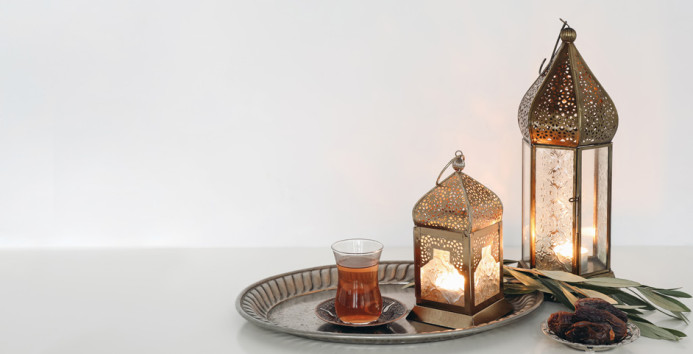
Ramadan is a month of deep reflection and spiritual focus for Muslims around the world. It also brings meaningful changes to daily routines from eating and sleeping patterns to work and activity levels. These shifts can place new demands on your body, which is why a little preparation goes a long way in helping you stay well throughout the month.
At Bupa, we’re committed to supporting your health and wellbeing. Here’s how you can approach Ramadan in a balanced, informed and mindful way.
Speak with your doctor if you have health conditions
If you live with a chronic condition such as diabetes, heart disease or kidney problems or if you’re pregnant, elderly or taking regular medication it’s important to consult your doctor before fasting. Medical teams across the region consistently advise that fasting without proper guidance can increase the risk of dehydration, low blood sugar and other complications. A simple discussion with your doctor can help determine what’s safest for you and ensure you have a personalised plan in place.
Don’t skip Suhoor
The pre dawn meal is essential for sustaining your energy during the day. Think of Suhoor as the nutritional foundation of your fast.
Try to include:
- Complex carbohydrates such as whole grains, oats and legumes, which release energy slowly and help you stay fuller for longer
- Lean protein like eggs, yoghurt, cheese or plant based options to support muscle health and reduce hunger
- Hydrating foods such as cucumbers, tomatoes and melon to top up fluid levels before the fast
Limit salty and sugary foods, which can increase thirst and cause energy dips later in the day.
Breaking your fast gently
When sunset arrives, it’s natural to feel hungry but easing into your meal can support better digestion and energy levels.
Many health experts recommend starting with water and a few dates. This provides quick energy and helps rehydrate your body gradually.
When you move to your main meal, focus on balance:
- Plenty of vegetables
- Lean protein
- Complex carbohydrates
This helps restore nutrients without overwhelming your stomach or leaving you feeling sluggish.
Hydrate steadily through the night
Good hydration is one of the most important parts of a healthy Ramadan. Aim to drink water regularly from iftar until Suhoor rather than taking in large amounts at once. Your body absorbs fluids more effectively this way.
Try to prioritise water over caffeinated drinks. Coffee and tea may be comforting, but they can have a diuretic effect, which may lead to dehydration the following day.
Protect your sleep where you can
Your sleep pattern will naturally shift during Ramadan. Shorter nights, Suhoor wake ups and evening prayers can all affect your rest. Even if you can’t achieve your usual sleep duration, maintaining some consistency can help.
Consider:
- Going to bed at a similar time when possible
- Including short daytime naps to support alertness and mood
- Creating a calming wind down routine, even if brief
Good sleep plays a major role in concentration, emotional wellbeing and daily performance.
Choose the right time to exercise
Staying active is beneficial, but timing is key. Light to moderate exercise is usually safe, while high intensity workouts during fasting hours can increase the risk of dehydration.
Safer times to exercise include:
- After iftar, when you can rehydrate
- Before Suhoor, if you prefer early morning movement
Listen to your body and adjust intensity as needed.
Know when to stop
Your health always comes first. If you experience dizziness, unusual fatigue, confusion or signs of dehydration, take these seriously. Islamic guidance allows exemptions from fasting when health is at risk, and healthcare professionals strongly support prioritising safety.
If you’re living with a medical condition, speak with your doctor well before Ramadan to create a plan tailored to your needs.
The bottom line
A healthy Ramadan is all about preparation and balance. When you plan your meals, manage hydration, maintain useful sleep habits and seek medical advice if needed, you can observe the month in a way that supports both your wellbeing and your spiritual goals.